Audio Pharmacology™ Sound Spa© City of Chicago Proposal
05/12/2021
Big Ideas,
Real Impact.
Following presentations to leadership at the Chicago Department of Cultural Affairs and Special Events in 2021 and 2022, the concept of Healing Arts Installations—grounded in Public Art with a Public Health Focus—was realized through the launch of Healing Arts Chicago in 2023. Today, Audio Pharmacology™ Sound Spas© are integrated into Chicago Department of Public Health mental health centers and affiliated community health organizations citywide, supporting accessible, evidence-informed wellness experiences.
I welcome opportunities to partner with municipalities, corporations, and private organizations to design and implement customized mindfulness and wellness systems that enhance workplace well-being, community engagement, and organizational impact. Please contact me to explore collaboration opportunities.
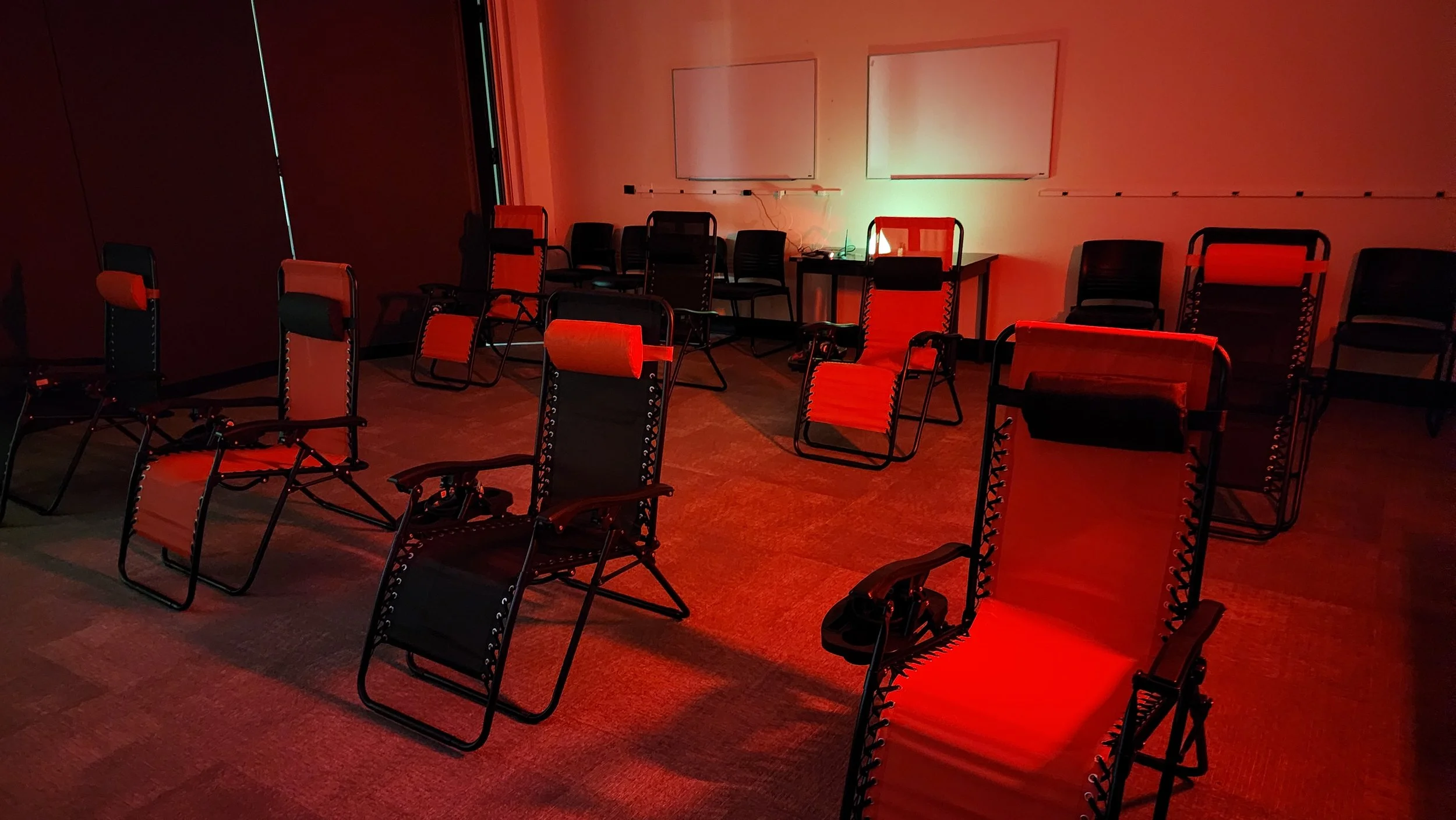
Public Environmental Friendly Healing Art’s Installations.
“Public art with a public health focus” - Shannon Harris 05/12/2021
This proposal seeks to design and implement under represented environmental friendly public healing arts installations throughout the city of Chicago. As Chicago and Cook County residents begin to return to city wide outdoor events, the practice of social distancing as a way to minimize COVID exposure rates presents particular challenges to every public art event and endeavor.
For generations the noise pollution from loud speakers are not just harmful on human ears, but also to flora, fauna, other living beings, and the environment. That noise pollution is in tandem with the increased usage of non-renewable energy sources to cool or heat buildings, power equipment, and provide lighting. The excessively loud noise and the large amounts of non-renewable energies at events deserve specific attention. This proposal, authored by Shannon Harris of Audio Pharmacology™ in May of 2021, seeks to provide public Healing Art’s installations that address some of the dilemmas mentioned above while also increasing the mental and physical wellness of Chicagoans.
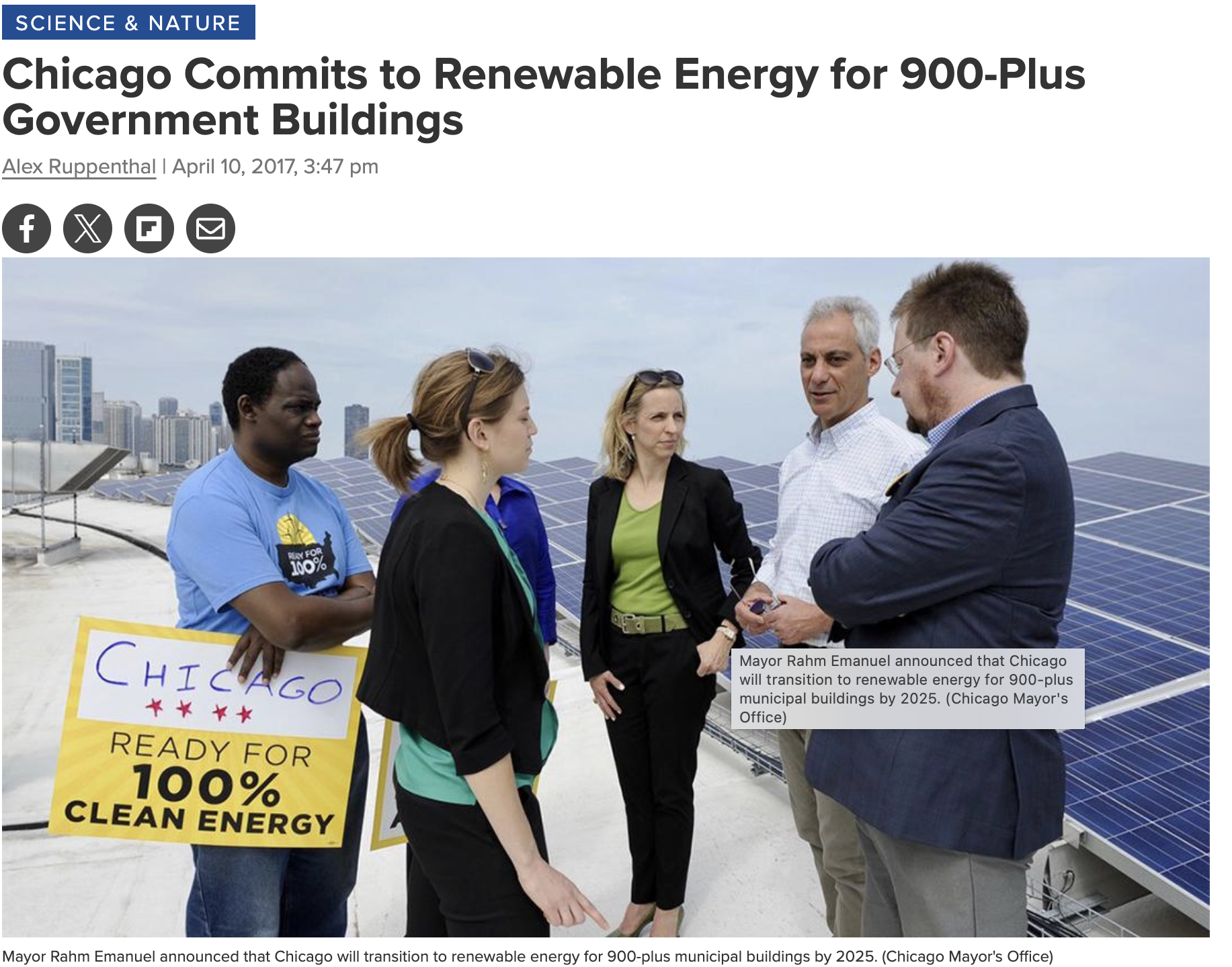
According to the 2017 Chicago Renewable Energy Challenge initiative, then Chicago mayor, Rahm Emanuel, committed the City of Chicago to reaching 100% renewable energy for all electricity used in municipal buildings by 2025. This initiative ambitiously included all city offices, businesses, and establishments. Unfortunately the plan failed to include the amount of gas generators and municipal electricity used to power city festivals, sports events, concerts, parades, and other outdoor events.
Prior to COVID, addressing outdoor energy consumption was less pressing because significant numbers of people congregated in outdoor spaces. Post COVID people are prone to attend events in lesser amounts and follow smaller capacity guidelines. An immediate benefit to the arrival of COVID was that all across the planet noise pollution levels drastically decreased and non-renewable energy outputs were minimized. Studies also showed a decrease in air pollution around the world. Why not use this auspicious moment to plan for a better future to return to in-person engagement

My solution to this new dilemma is the installation and consistent use of Audio Pharmacology™ Sound Spas in public spaces. This unique matrix of sound is an innovative addition to the “public arts”. Using positive brain, body, and environment entrainment sound design qualities will cultivate a medicinal Healing Art’s experience. The sound programs are intended to reduce stress, increase calm, reduce inflammation, and promote relaxation. Everyone can attest to the healing qualities of music in its traditional applications. These Healing Art’s installations utilize advanced sound therapy and medicinal music to prolong the restorative effects of sound and music therapies. The Sound Spas seeks to embolden public art with a public health focus.
Often it is said art represents the current times and this Healing Art’s endeavor will do just that! The Audio Pharmacology™ Sound Spas will set a new standard for “art” by interweaving science, technology, sonic geometry, environmentalism, community wellness, social practice, and green energy to support accessible public health. City dwellers often forego time to be still.
Instead of rushing to complete another task, here is a distinct step towards assisting them with convenient public self care.
COVID Social Distancing:
Only one person can fit into the Sound Spa or stand on the platform at a time. The installation minimizes group congregation because only the individual under the speaker can hear and experience the sound. This singular and personalized experience also prevents noise pollution from being released into the surrounding environment since the sound is focused and directed.
See image below:
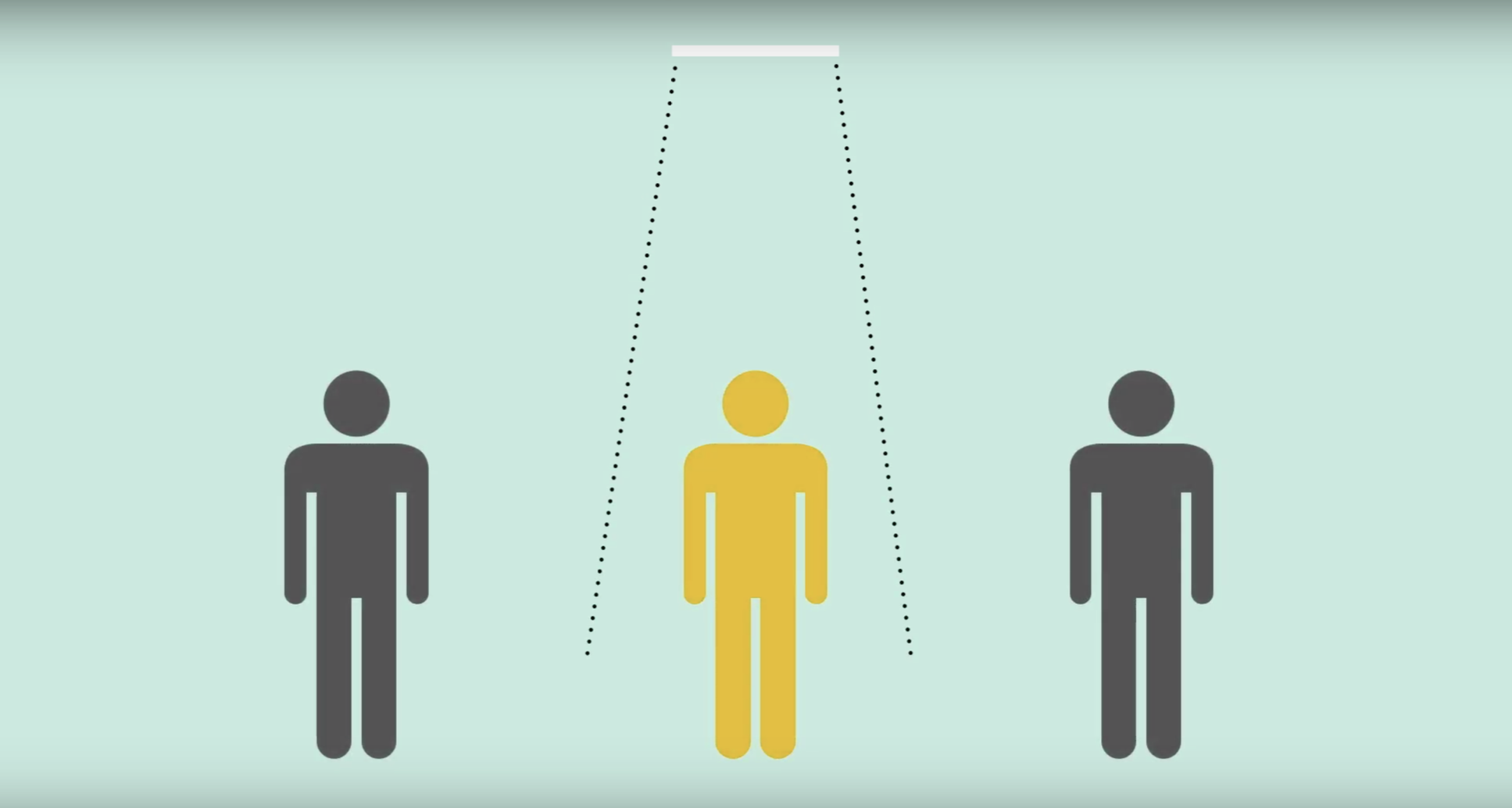
By installing multiple Audio Pharmacology™ Sound Spas in an areadistanced from one another, individuals can encounter different experiences at the same time thus creating opportunities to practice group engagement.
For example one Sound Spas sound experience can be programmed to improve alertness while another Sound Spa is programmed for stress or relaxation, while a third is programmed for anxiety. Audio Pharmacology™ recommends a minimum of four Sound Spas to be programmed in one area. The Sound Spas can be made wheelchair accessible via a ramp to be provided by the organization.
More public health benefits:
We cannot avoid being exposed to loud sounds in the city, but a city can create audio installations and events that are healthier for our ears. The Audio Pharmacology™ Sound Spas will be calibrated to be right above ambient noise level reducing long term ear damage.
Sound Spas versus Silent Disco:
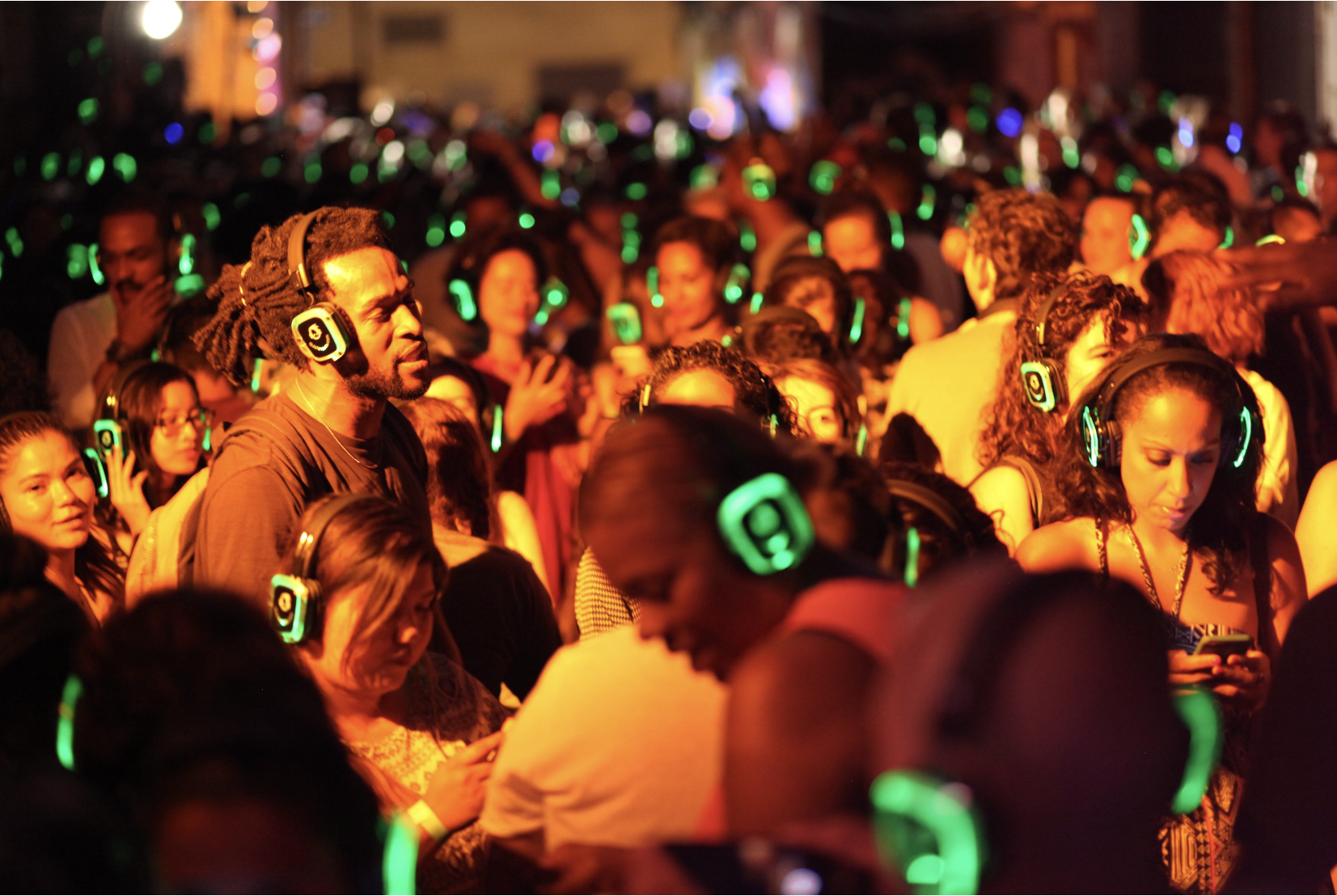
Silent Disco took the world by storm by cutting down the noise pollution footprint. What it doesn’t solve is social distancing, cross contamination of headphone use, and hearing damage from extreme volumes.
Impact
Drowsy Driving vs. Drunk Driving: How Similar Are They?
At least 50% of American adults admit to having driven while drowsy. A staggering 20% of people have actually fallen asleep at the wheel1 in the past year, and one in 25 drivers reports having fallen asleep at the wheel in the last month.
Drowsy driving is responsible for a significant percentage of road traffic accidents, yet it doesn’t receive nearly as much attention as drunk driving. In recent years, experts have been calling for increased attention to the problem of driving while sleepy or fatigued.
Solution:
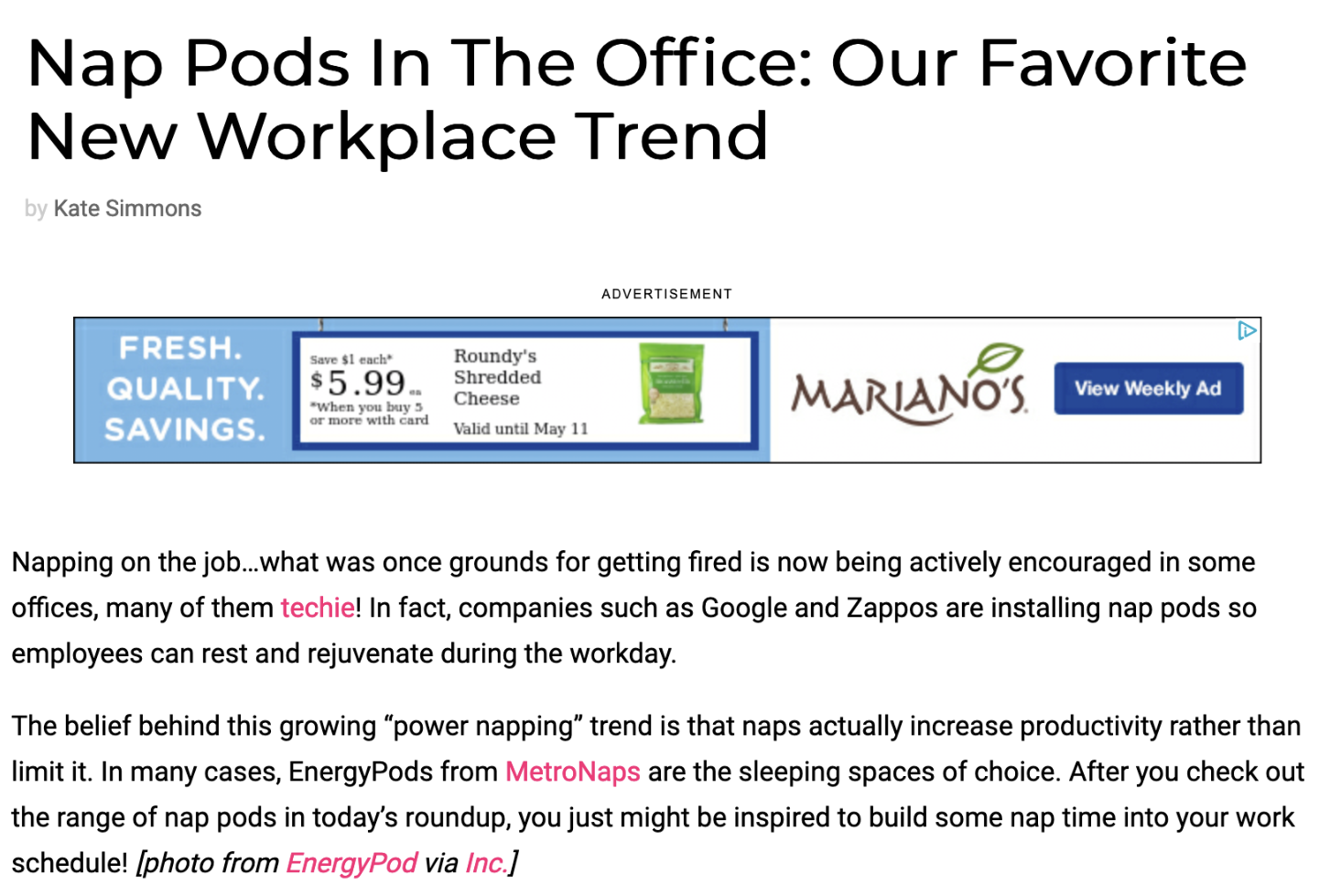
Take regular breaks, and when you notice yourself getting sleepy, pull over and take a 20-minute nap in a safe place. Caffeine, opening the window, and turning up the radio are only short-term fixes and may leave you vulnerable to dangerous “microsleeps.
29 Napping Statistics & Facts to Boost Your Energy Levels
Busy schedules and stressful lifestyles have led to an increasing number of sleep-deprived people. Although you can’t replace your nighttime rest with a nap, napping statistics have shown that a short nap has a range of benefits—from boosting performance to improving mood.
Conclusion:
To Sum Up Before Dozing Off Like so many other things in life, taking a nap has both advantages and disadvantages. However, you can avoid most of these drawbacks by following a few simple tips:
• Keep your naps short and sweet.
• Don’t snooze close to your bedtime.
• Take a nap in a peaceful environment that promotes sleep (i.e. Audio Pharmacology™ Sound Spa©).
Based on the napping statistics in 2021, daytime sleep continues to get more and more attention because there are millions of sleep-deprived people who are looking for ways to boost their alertness. Even some big corporations have realized that if their employees have a chance to take a catnap, they’ll see positive outcomes. Therefore, make sleep your priority, and try to squeeze a nap into your hectic lifestyle. While many people still believe that napping is only for the lazy, there have been a number of famous nappers who recognized its advantages.
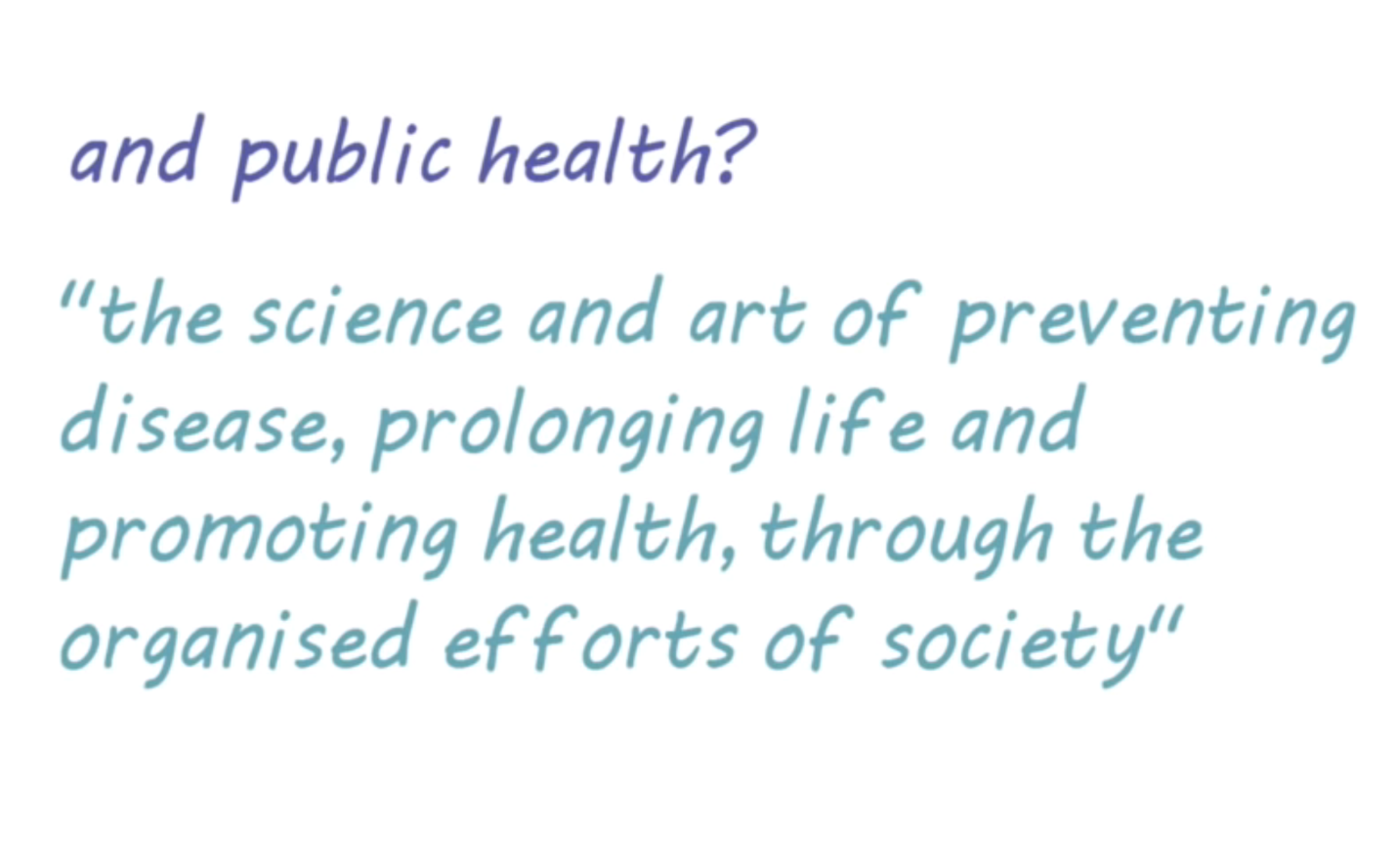
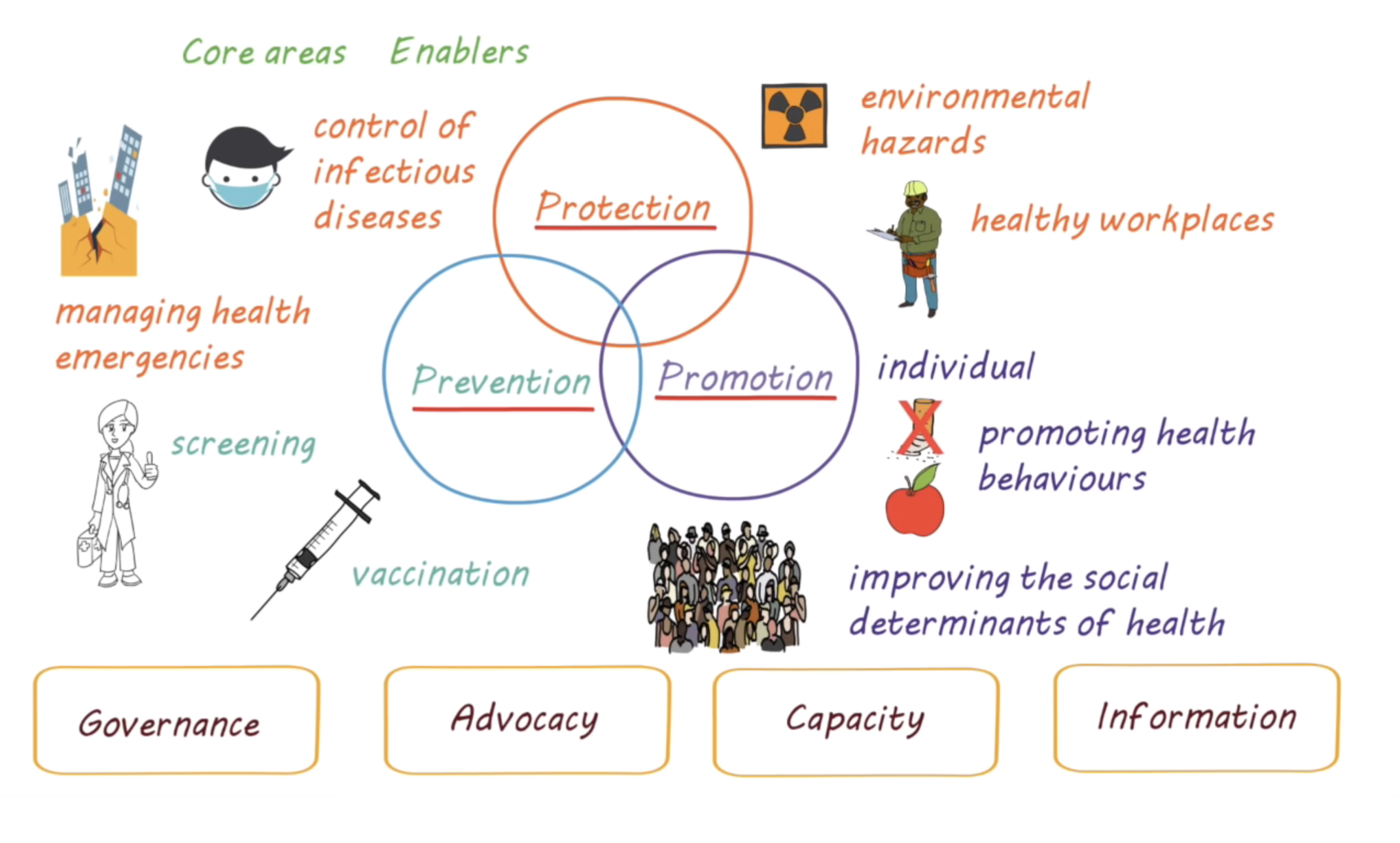
Promoting Public Art as Public Health: